Cutting the Cloud
As our homes become smarter, more technological infrastructure is becoming an integral part of our homes. It is changing the way we behave and interact with one of our most private and sensitive spaces.
Cutting the Cloud is an artistic research and hacking project that explores the multi-layered infrastructure surrounding smart home technology. Using a €7 battery-powered temperature sensor from Aliexpress as a case study, the project explores the hidden economics, labor conditions, and data dependencies that enable such devices to be sold at impossible low prices. The research concludes with an attempt to free the device from its proprietary cloud ecosystem, representing both a technical challenge and an artistic statement about digital independence.
Research and Investigation
The project began with a reverse-engineering exercise to determine the true cost of the temperature sensor. This involved breaking down component prices and tracing the supply chain from manufacturing facilities in Shenzhen to dropshipping operations on Western platforms. This revealed that subsidised shipping, low labour costs and Special Economic Zone policies enable devices with components worth around €4 to retail at €7. The investigation also revealed that the same devices appear on Amazon at 2.8 times the AliExpress price, highlighting the multiple value extraction layers in the global electronics trade.
Concept
The central concept revolves around "cutting the cloud" – literally freeing smart devices from mandatory cloud dependencies, while also examining the opaque systems surrounding everyday connected objects. The project highlights how cheap smart home devices invite surveillance capitalism into our most private spaces while appearing to be harmless tools of convenience. By investigating who profits from this arrangement and at what cost, the project raises critical questions about the true price of "smart" convenience and explores what digital independence might look like in practice.
Technical Process
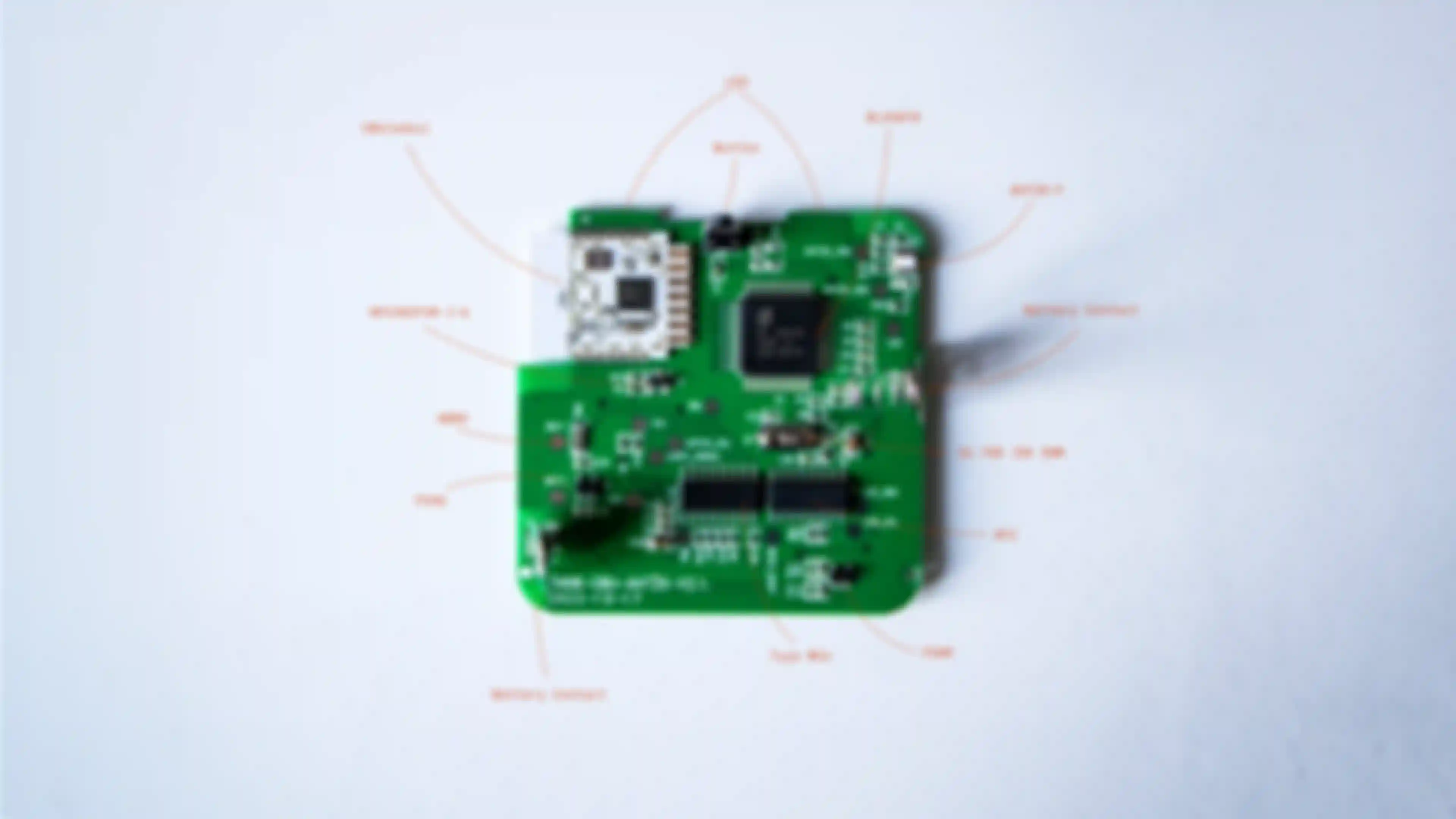
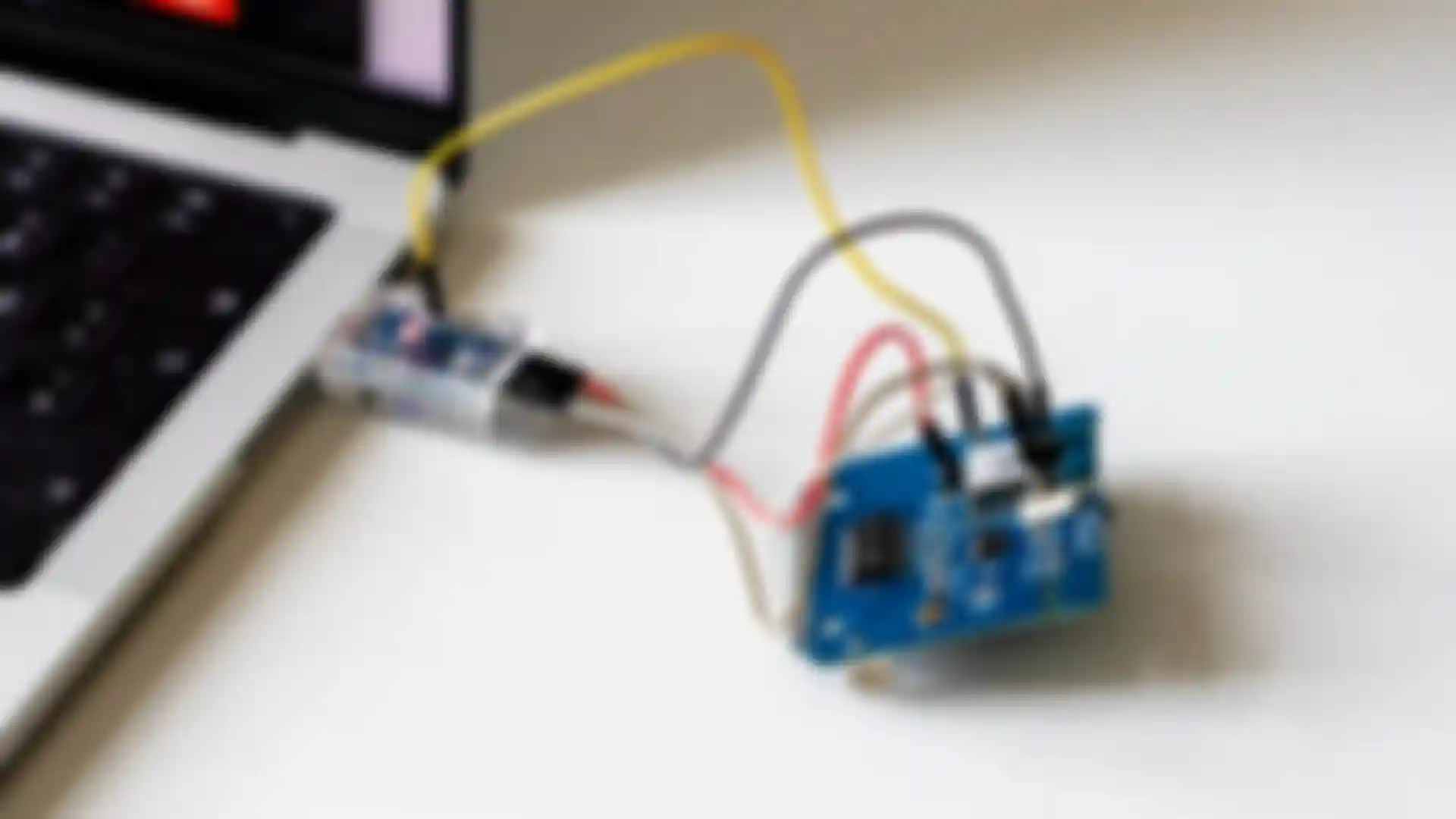
The technical process involved several attempts to hack and reprogram the temperature sensors, progressing from software exploits to hardware modification. Initial attempts using Tuya Convert were unsuccessful because the manufacturers had switched from ESP chips to BEKEN-based proprietary modules. A newer exploit called Tuya Cloudcutter succeeded in flashing ESPHome Kickstart firmware, but it was unable to overcome the limited connectivity windows of battery-powered devices. This led to physical modification, which included soldering connections to flash custom firmware directly and reverse-engineering the device's communication protocols. The breakthrough was finally achieved using tinytuya, a Python library developed by Jason Cox. This library allowed for local device control without the need for firmware modification, requiring only an initial cloud connection to extract the necessary authentication keys.
Outcome
Although the original vision of using the device's display for visual narratives could not be fully realised due to the protection mechanisms of the TuyaMCU chip, the project successfully demonstrated local device control. A comprehensive documentation of the research process was also created and published on a website. The temperature sensor now controls the visibility of the website's content. The warmer the room, the more information becomes accessible, creating a literal connection between the physical device and digital content. This project serves as a technical investigation and artistic reflection on our relationship with smart technology, raising questions about the sacrifices we make for convenience and the potential requirements of liberation from the cloud.
Exhibitions
Cutting the Cloud has been exhibited at:
2023: re-coding everyday technology – Exhibition and publication launch, Mainz, Germany